Get Sagging Floor Repair
Sagging floor repair services help property owners fix uneven, weakened, or collapsing floors caused by structural issues, often involving joist replacement, leveling, or reinforcement by local contractors.
Sagging floors can be a sign of underlying structural issues that may need attention to maintain the safety and stability of a property. Property owners in the area who notice uneven or bouncy floors often explore repair options to prevent further damage and preserve the value of their homes or buildings. By considering professional services, individuals can find solutions tailored to their specific needs, ensuring that repairs are handled effectively and efficiently.
Comparing local contractors who specialize in sagging floor repairs can help property owners identify experienced service providers capable of addressing these concerns. Whether for residential or commercial properties, exploring available options allows for informed decisions about planning and executing repairs. Continuing to read can provide valuable insights into how local experts can assist with restoring floor integrity and improving overall property condition.
- Sagging Floor Repair - needed when floors feel uneven or bouncy underfoot.
- Foundation Stabilization - required if shifting or settling causes floors to sag.
- Subfloor Reinforcement - necessary when existing flooring becomes weak or compromised.
- Joist Repair - essential if supporting beams are damaged or rotted.
- Structural Assessment - advised when suspecting underlying issues affecting floor integrity.
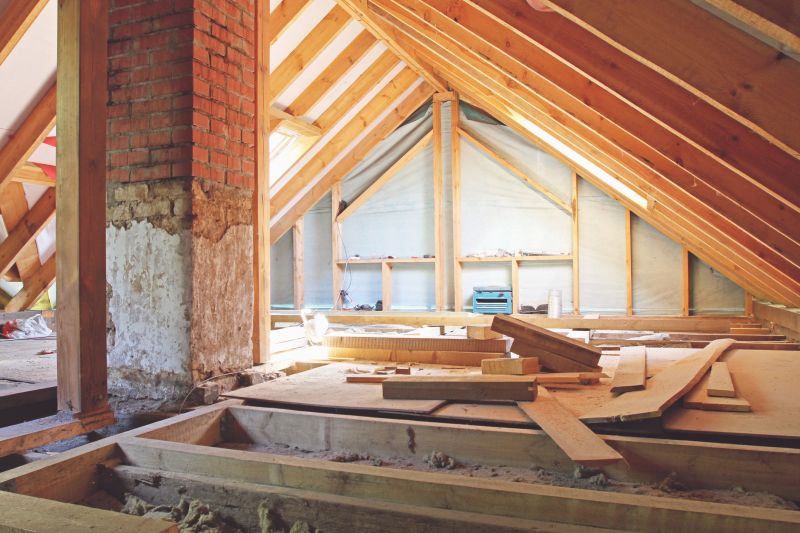
Sagging floor repair services focus on correcting uneven or weakened flooring surfaces caused by structural issues beneath the surface. This process typically involves assessing the foundation and support systems, such as joists and beams, to identify the root cause of the sagging. Once the problem areas are pinpointed, contractors may reinforce or replace compromised supports, install additional joists, or employ leveling techniques to restore the floor’s stability and flatness. The goal is to create a safe, level walking surface that enhances the overall integrity of the property.
Sagging floors are often a sign of underlying problems that can lead to more serious damage if left unaddressed. Common issues include rotted or damaged joists, shifting or settling foundations, or improperly installed supports. These problems can result in creaking, bouncing, or noticeable dips in the flooring, which can be both inconvenient and unsafe. Repairing sagging floors helps prevent further structural deterioration, reduces the risk of accidents, and can improve the overall appearance and value of a home or commercial property.
This type of service is frequently needed in older homes, where aging support structures may have weakened over time. It is also common in properties that have experienced foundation shifts, water damage, or previous construction issues. Residential properties, including single-family homes and multi-unit buildings, often require sagging floor repairs to ensure safety and stability. Commercial buildings, especially those with heavy foot traffic or large open spaces, may also benefit from these repairs to maintain a safe environment for occupants.
Homeowners and property managers should consider sagging floor repair if they notice uneven or bouncy floors, creaking sounds, or visible dips in the surface. Such signs indicate that the supporting structure may be compromised and in need of professional assessment. Contacting local contractors who specialize in floor repairs can help determine the cause of the problem and recommend appropriate solutions. Proper repair not only restores the floor’s levelness but also helps preserve the structural health of the entire property.
The overview below groups typical Sagging Floor Repair projects into broad ranges so you can see how smaller, mid-sized, and larger jobs often compare in your area.
In many markets, a large share of routine jobs stays in the lower and middle ranges, while only a smaller percentage of projects moves into the highest bands when the work is more complex or site conditions are harder than average.
Smaller Repairs - Typical costs for minor sagging floor repairs generally range from $250 to $600. Many routine fixes fall within this range, covering localized support or joist reinforcement. Larger or more complex projects can exceed this range but are less common.
Moderate Repairs - Projects involving multiple areas or more significant reinforcement usually cost between $600 and $2,000. These estimates reflect common repairs that local contractors handle regularly. Costs can vary depending on the extent of the sagging and the materials needed.
Major Restoration - Extensive sagging floor repairs or partial replacements often fall between $2,000 and $5,000. Such jobs are less frequent and typically involve significant structural work or multiple rooms. The final cost depends on the scope and complexity of the project.
Full Floor Replacement - Complete replacement of a sagging or damaged floor can range from $5,000 to $15,000 or more. These larger projects are less common and usually involve comprehensive removal and installation, with costs influenced by size and materials used.
Actual totals will depend on details like access to the work area, the scope of the project, and the materials selected, so use these as general starting points rather than exact figures.
Subfloor Replacement - this project involves removing and installing new subflooring, requiring similar skills in assessing structural integrity and working with flooring materials.
Foundation Repair - addressing foundational issues often involves planning and executing repairs that stabilize structures, similar to supporting sagging floors.
Floor Joist Reinforcement - strengthening or replacing floor joists is a related task that ensures the stability of flooring systems, requiring similar tools and planning.
Basement Waterproofing - waterproofing basements involves understanding structural elements and moisture management, which can relate to floor stability concerns.
Floor Leveling and Smoothing - leveling uneven floors involves assessing subfloor conditions and using similar repair techniques as sagging floor restoration.
Carpentry and Framing Repairs - repairing or replacing framing components supports floor structures and shares skills in precise measurement and structural planning.
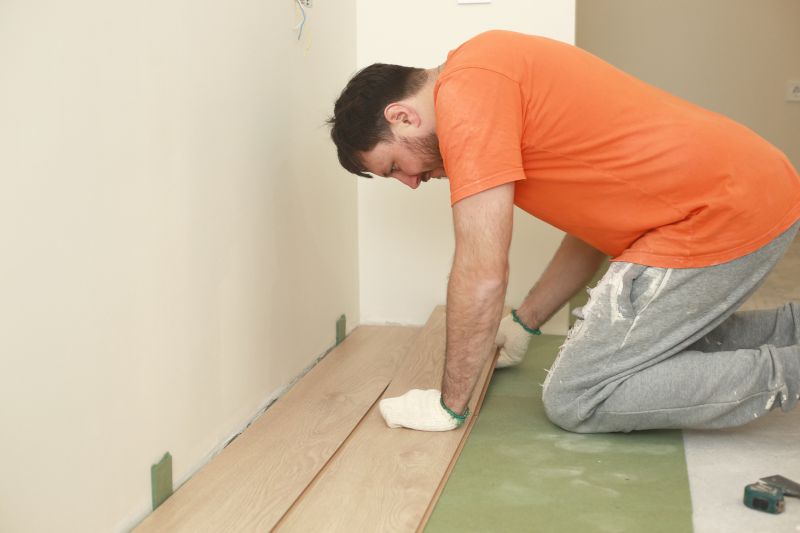
When evaluating potential contractors for sagging floor repair, it's important to consider their experience with similar projects. Homeowners should look for service providers who have a proven track record of handling floor stabilization and repair work comparable to the specific issues present in their home. Asking about past projects or requesting examples of completed work can help gauge whether a contractor has the necessary expertise to address the unique challenges of sagging floors effectively.
Clear written expectations are crucial to ensure that both the homeowner and the service provider are aligned on the scope of work, materials to be used, and the desired outcomes. A reputable contractor should be able to provide a detailed written estimate or scope of work that outlines the repair process, timeline, and any potential considerations. This documentation helps prevent misunderstandings and provides a reference point throughout the project.
Good communication and reputable references are key indicators of a dependable service provider. Homeowners should seek out local contractors who are transparent in their communication and willing to provide references from previous clients. Contacting these references can offer insights into the contractor’s professionalism, reliability, and quality of work. Remember, these local options are introduced as potential partners for the project; they are not performing the work themselves. Comparing multiple providers based on experience, clarity of expectations, and reputation can help identify the best fit for addressing sagging floors.
Property owners use Sagging Floor Repair services for practical projects around their homes and businesses. This guide focuses on everyday jobs and straightforward project options.
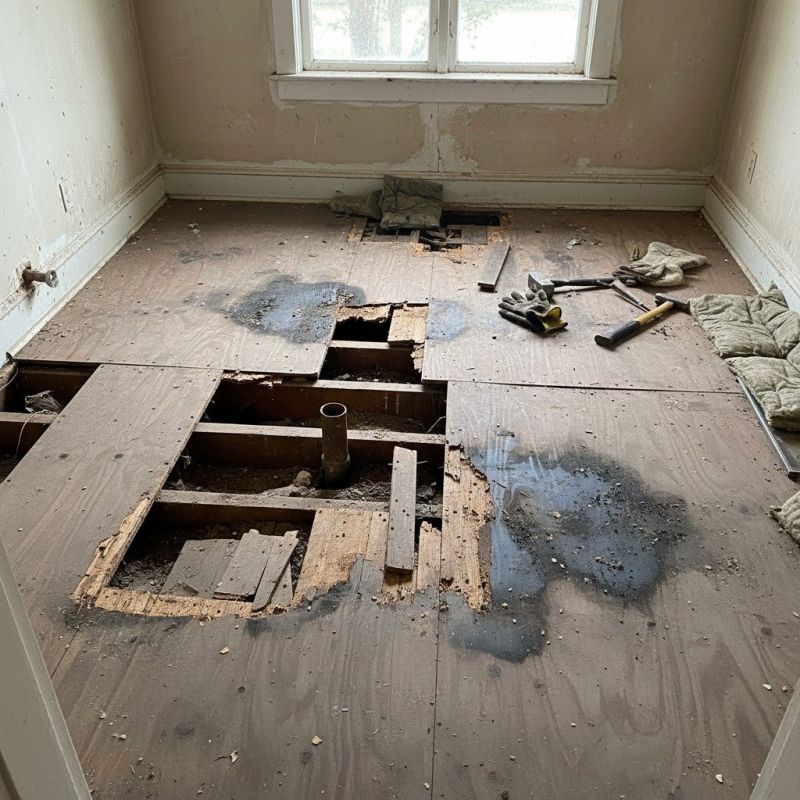
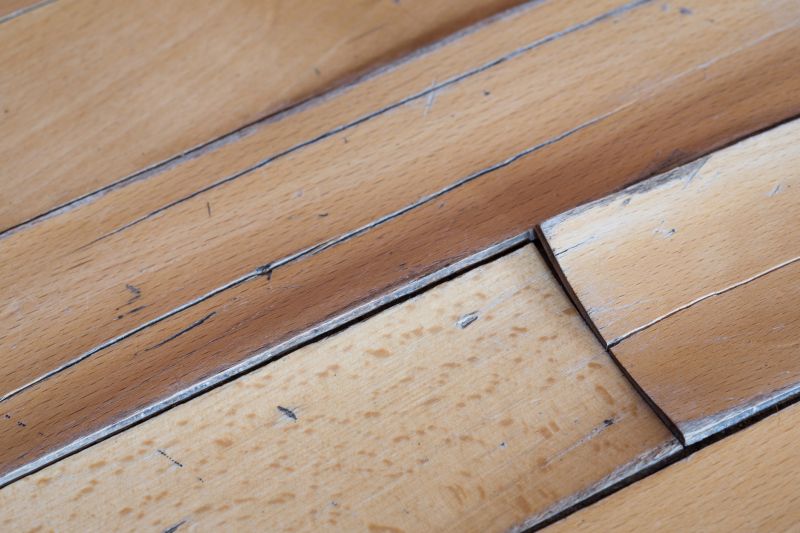
Sagging floors are a common concern for property owners dealing with uneven or creaking surfaces, often caused by aging, moisture damage, or structural wear. Homeowners might notice a section of their floor feels soft or dips underfoot, especially in older homes or areas prone to moisture issues. In such cases, local contractors experienced in floor repair can assess the situation and recommend appropriate solutions to restore stability and safety.
Property owners may seek sagging floor repair services after experiencing issues like cracked or damaged flooring, or when noticing uneven levels that affect furniture placement and walking comfort. These projects are often prompted by ongoing wear and tear or changes in the building’s foundation. Local service providers specializing in floor restoration can handle these repairs efficiently, helping to improve the integrity and appearance of the affected areas.
What causes a floor to sag? Sagging floors can result from issues like weakened joists, water damage, or structural deterioration over time.
How can sagging floors be repaired? Local contractors typically assess the extent of the damage and may reinforce or replace affected joists to restore stability.
Is it safe to walk on a sagging floor? Walking on a sagging floor may be unsafe, especially if the structural integrity is compromised; consulting a professional is recommended.
What are common signs of a sagging floor? Signs include noticeable dips, uneven flooring, creaking sounds, or visible gaps between the floor and walls.
Can a sagging floor be fixed without major demolition? Many repairs involve minimal demolition, such as sistering joists or adding support beams, handled by local service providers.
Preventing Future Damage - Sagging floor repair services can help property owners stabilize uneven floors to avoid further structural issues in the future.
Restoring Floor Stability - Local contractors can reinforce weakened areas, making floors safer and more secure for everyday use.
Improving Home Comfort - Repairing sagging floors can reduce creaking and uneven surfaces, enhancing comfort in living spaces.
Preparing for Renovations - Sagging floor services can be part of a larger renovation plan to ensure a solid foundation for new flooring or upgrades.
If you are thinking about Sagging Floor Repair for a property, this guide is meant to help you understand the work, the typical project types, and how different options might fit your plans.
When you are ready, you can use the quote form on this page to share a few details about your project. From there, local pros can review the basics and respond with options that match what you have in mind.